Welcome to my reading journal! This is where I keep track of the books I've read, reflect on key takeaways, and share personal notes.
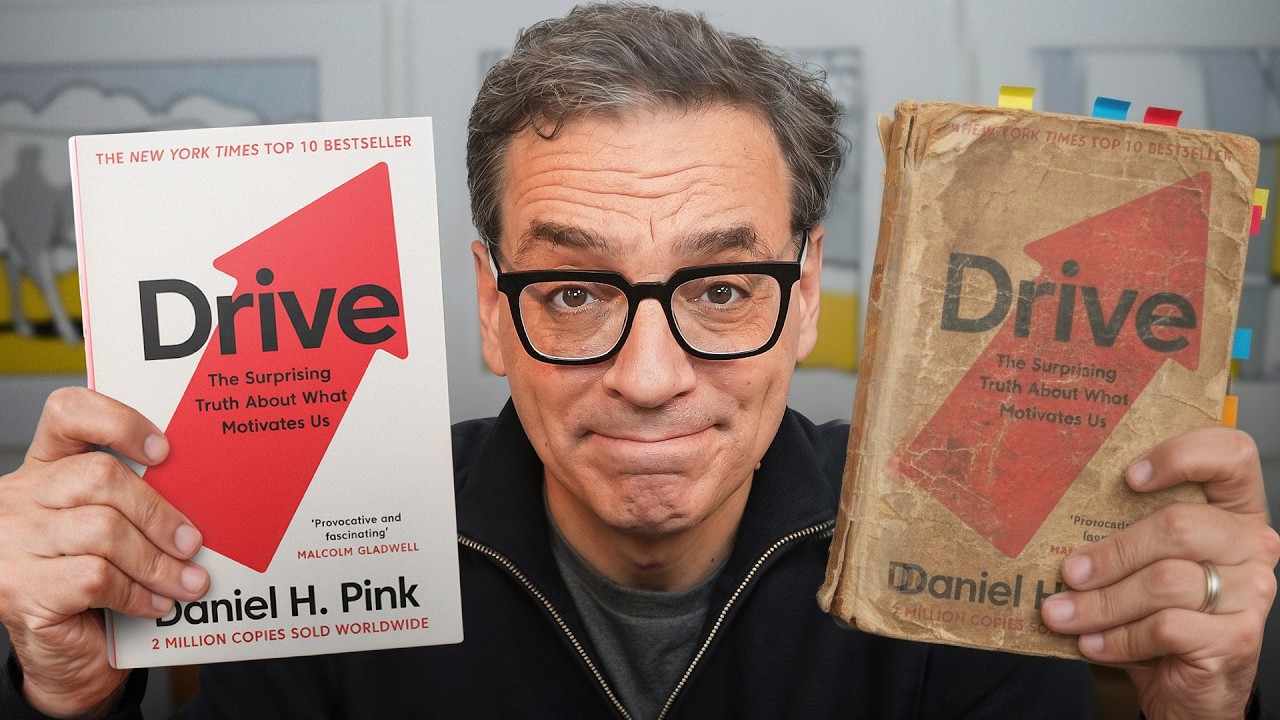
Here is a proper summary of the video you linked, in about half a page of Markdown:
How To Be A Better Reader (Do This To Your Books) by Daniel Pink
In this video Daniel Pink explains seven practical techniques that help you read more effectively and retain what you read. The focus is not on speed, but on active engagement with the material so you internalize ideas rather than skim them. The first key idea is to treat your book like a partner in learning, not a sacred object to protect. This means physically and mentally interacting with it: crack the spine, underline important passages, dog-ear pages, and make notes in the margins. This engages your brain and deepens comprehension.
Next, Pink introduces a method he calls Summarize + Harvest (S & H). After each chapter, write a few sentences in your own words about the main point. At the end of the book, ask yourself three questions: What is the big idea? How does the author support it? What should I do with this insight? This not only reinforces memory but turns reading into action.
Another technique is to build a “second brain” for your reading: keep your summaries, highlights and notes in a digital space like Notion or Docs. You can then use these organized notes for future reference or even feed them into AI to extract quotes or themes.
Pink also emphasizes rereading strategically. A great book can teach you different things at different stages of your life because you change. He then encourages becoming a T-shaped reader, meaning you go deep in subjects you care about while also reading broadly across genres so ideas from one area can enrich another.
He talks about knowing when to quit a book too: if it isn’t engaging you after a reasonable amount of reading, it’s okay to set it aside. The idea is that a book should earn your attention, not be something you struggle through out of guilt. Use this formular: 100 pages minus your age. If still boring and awful then quit the book.
Finally, Pink reminds us not to treat reading as a chore or performance metric, but as a joyful and intentional practice. He encourages readers to find pleasure in the process and not stress about finishing everything on their list.
Explores the surprisingly intense debate around audiobooks. This thought-provoking video examines how listening versus reading impacts comprehension and memory. Discover if different reading modalities truly matter. Comprehension is comprehension?
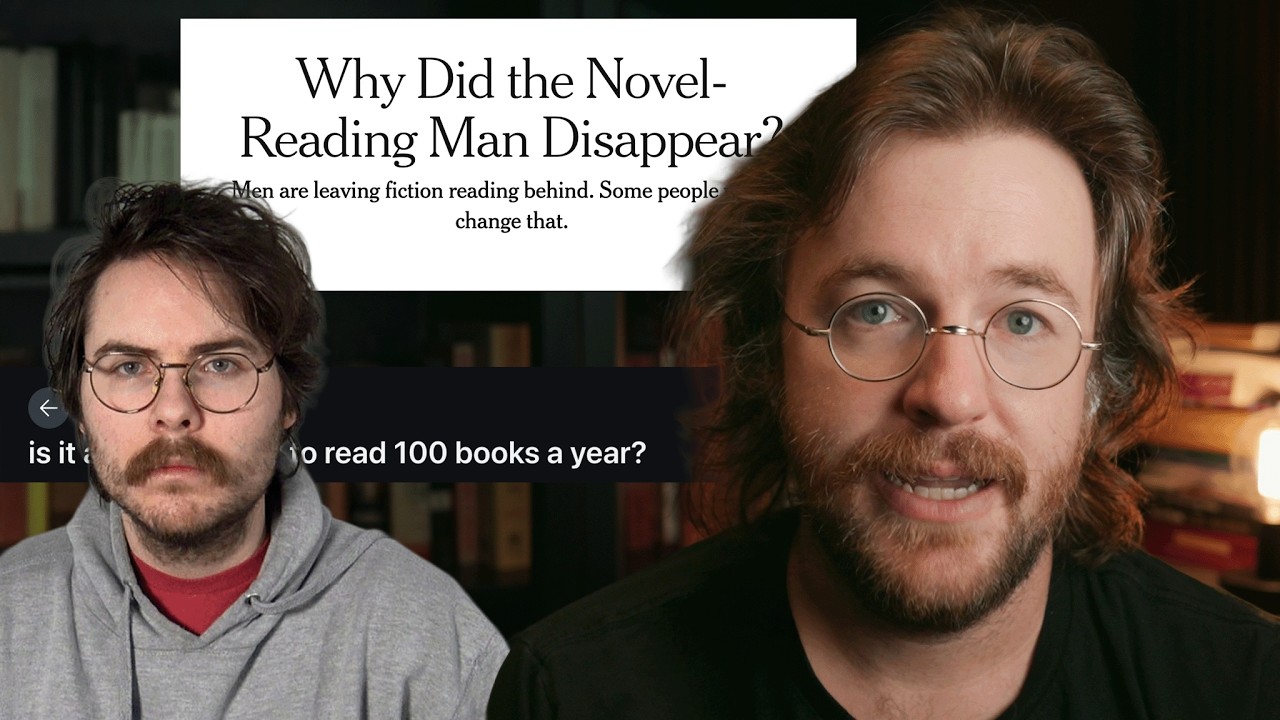
Discuss the male reading crisis
- Read at least a few books every year (Audiobooks does not count!)
- Main focus: Non-fiction books
- Take better notes while reading
“A reader lives a thousand lives before he dies. The man who never reads lives only one.” – George R.R. Martin
/ (root)
├── README.md
├── books/
│   ├── 2025.md
│   └── 2024.md
├── stats/
│   └── summary.md
└── templates/
    └── book-note-template.md
If you want to make your own Bookshelf repository, here is some alternative names that you can use:
- read-books-log
- reading-archive
- NoteBook
- reading-tracker
- my-book-journal